
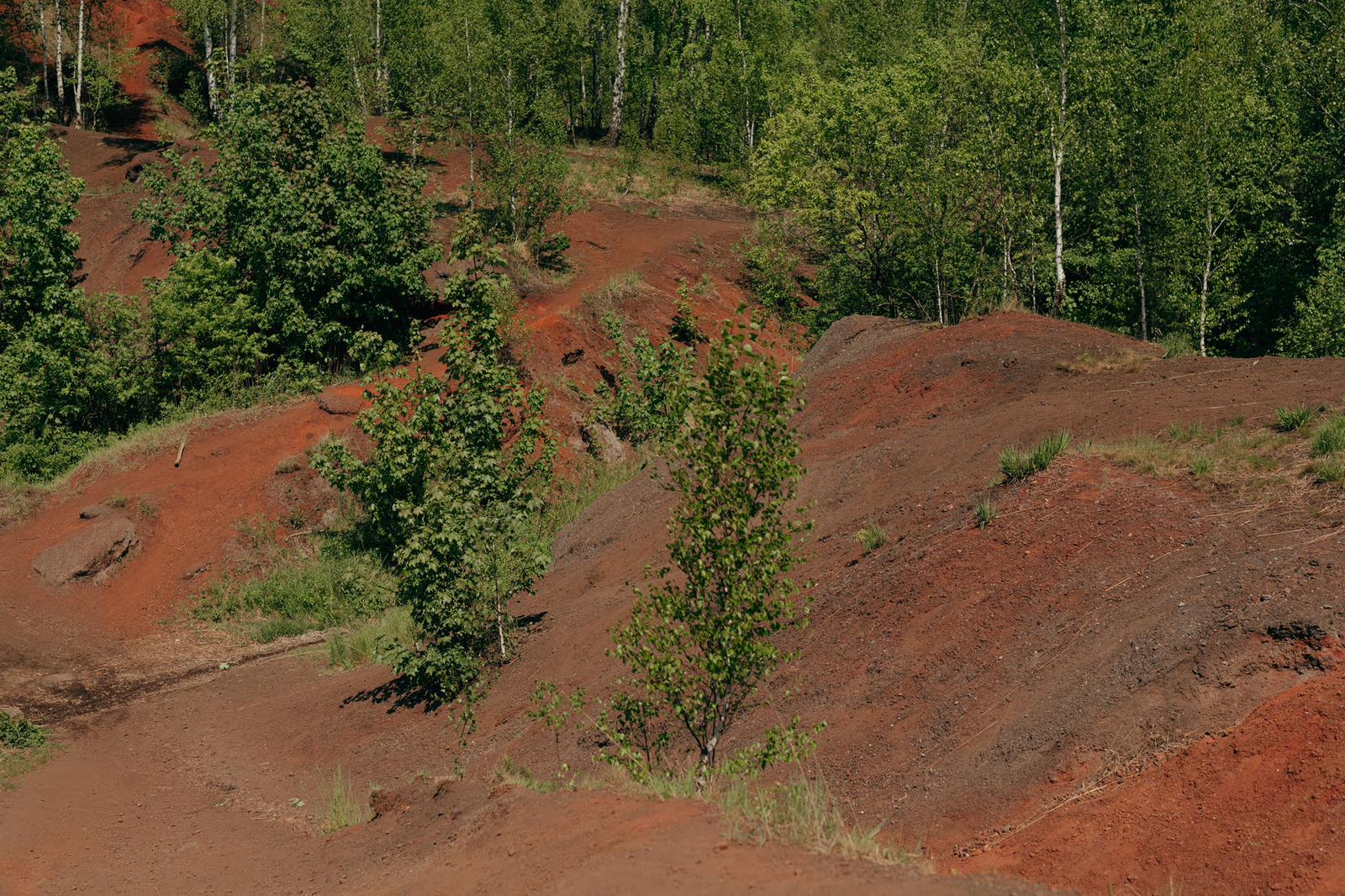
The workshop focuses on situated, bodily tactics of contemporary performative arts that engage with post-extractive landscapes, especially in post-mining and post-smelting regions. Those tactics aim to capture intricate relationships between extractivism and racial, social and economic inequalities and posit more ecologically sustainable futures. Students will be familiarized with the most important contemporary theories of post-extractive landscapes and their re-vitalization, especially in environmental humanities, and will confront them in the analysis of specific case studies, including field methods.
Mateusz Chaberski is Assistant Professor in the Department for Performativity Studies, Jagiellonian University, Kraków, Poland. His research spans performativity; affect and assemblage theories; and Anthropocene studies. He is the author of Doswiadczenie (syn)estetyczne. Performatywne aspekty przedstawien site-specific [(Syn)aesthetic Experience: Performative Aspects of Site-Specific Performance] (2015) and Asamblaze, Asamblaze. Doswiadczenie w zamglonym antropocenie [Assemblages, Assemblages: Experience in the Foggy Anthropocene] (2019). Together with Mateusz Borowski and Malgorzata Sugiera, he edited Emerging Affinities: Possible Futures of Performative Arts (2019), as well as Situated Knowing: Epistemic Perspectives on Performance with Ewa Bal (2020). He currently leads the research project Re-Membering Industrial Pasts. Ecology and Labour in Contemporary Polish Performative Arts funded by the National Science Centre, Poland.
- Kursleiter/in: Dorota Sajewska