
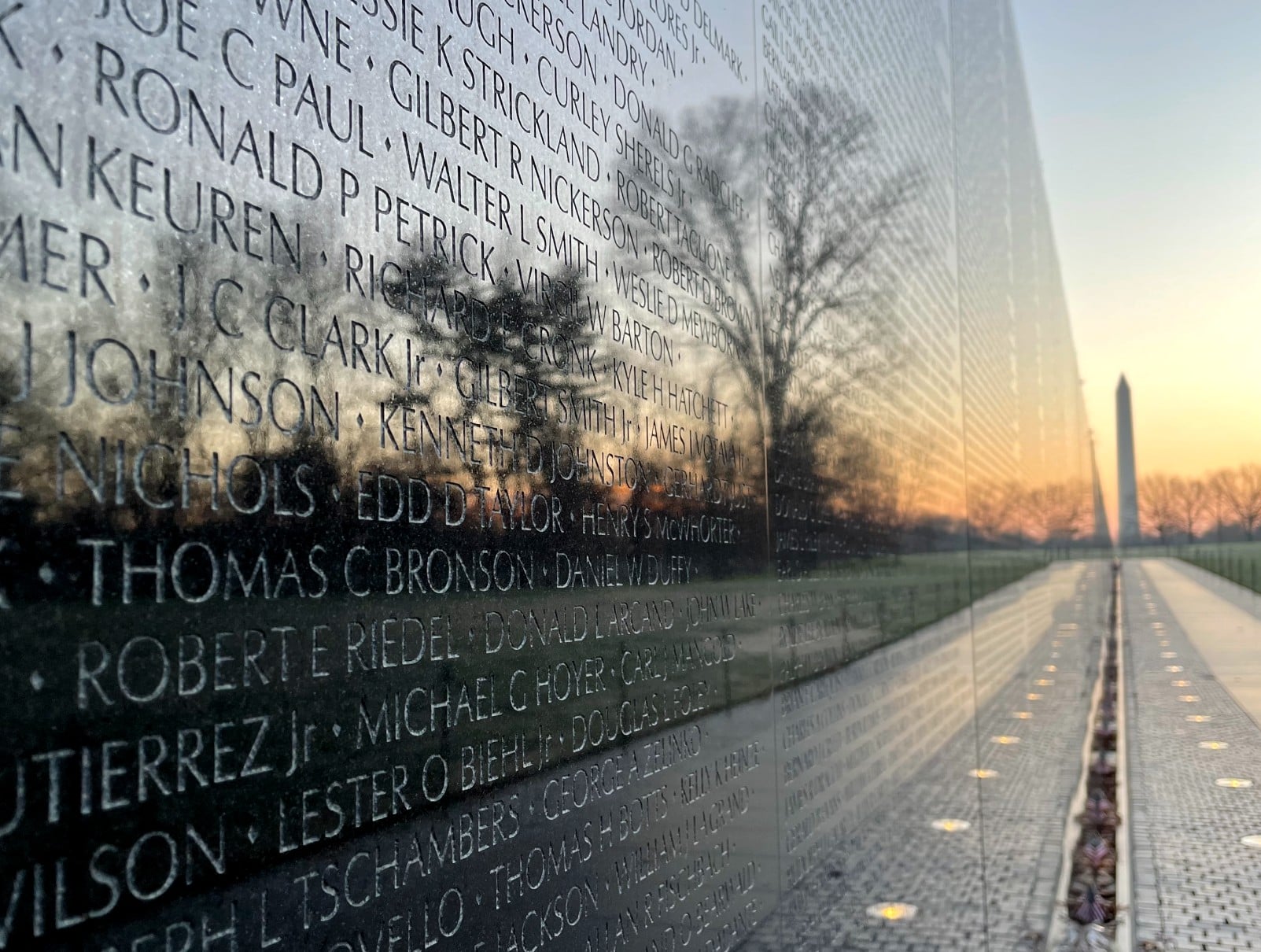
This seminar examines the American ground war in Vietnam (19651973) through the lens of military, social, and cultural history. This course moves beyond a battle-centred narrative to explore how the war was experienced, understood, and remembered by those who fought it and the institutions that sent them.
A central focus will be on military cultures the differing institutional values, practices, and identities of organizations such as the U.S. Army and the U.S. Marine Corps and how these shaped the ways Americans fought, interacted with civilians, and made sense of their missions. What did it mean to be a Marine versus a soldier in Vietnam? How did training, leadership styles, unit cohesion, and morale influence combat performance and everyday life in theatre?
The course also engages key themes in Vietnam War historiography, including race, class, gender, and memory. Who was the American soldier and how have representations of him changed over time? How did African American and other minority service members experience military life and combat differently from their white counterparts? How did developments on the U.S. home front affect the ground war, and vice versa?
Drawing on scholarly works and a wide range of primary sources including official reports, letters, memoirs, diaries and oral histories we will gain a deeper understanding of how military institutions, social dynamics, and cultural meanings shaped the American war in Vietnam, and how military history goes far beyond studying tactics and battles.
- Kursleiter/in: Sinan Cakir
- Kursleiter/in: Marius Ebener
- Kursleiter/in: Ivo Komljen